
Nepal
A land of breathtaking contrasts
From snow-capped peaks and terraced valleys to steamy lowland jungles and bustling towns alive with festivals - but it's the people who make it unforgettable.
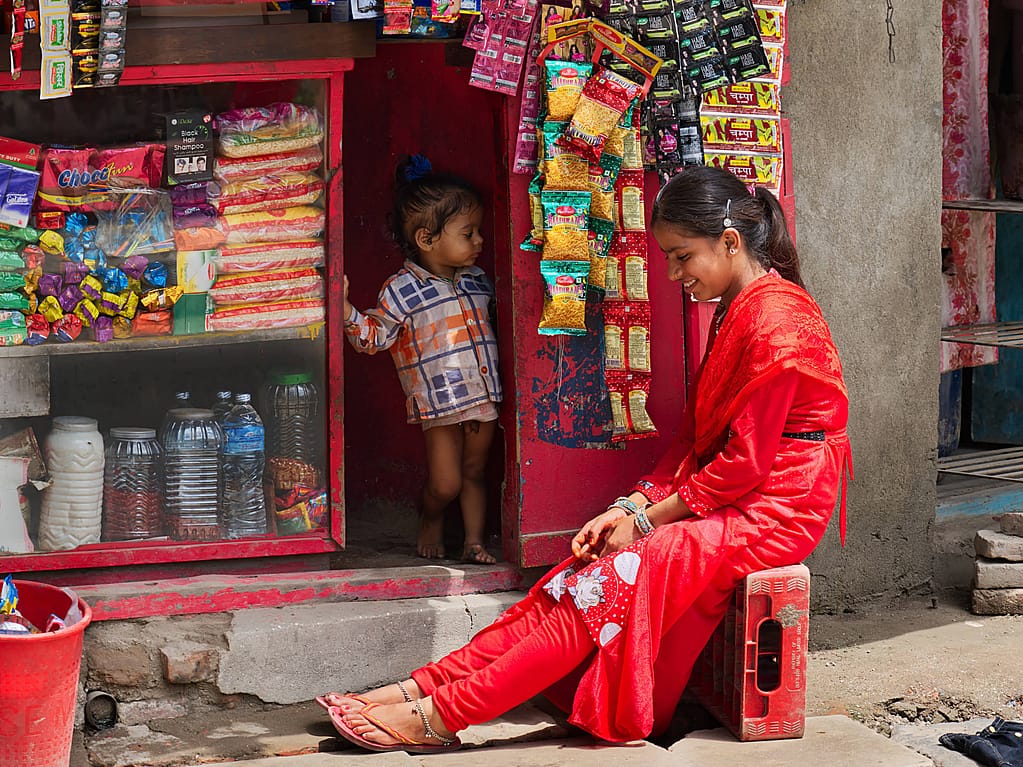
Shared smiles, steaming cups of chai, stories swapped in lively squares, and chance encounters on winding paths - these are the moments that linger long after the mountains, jungles , and towns have faded from view.
An extraordinary travel destination
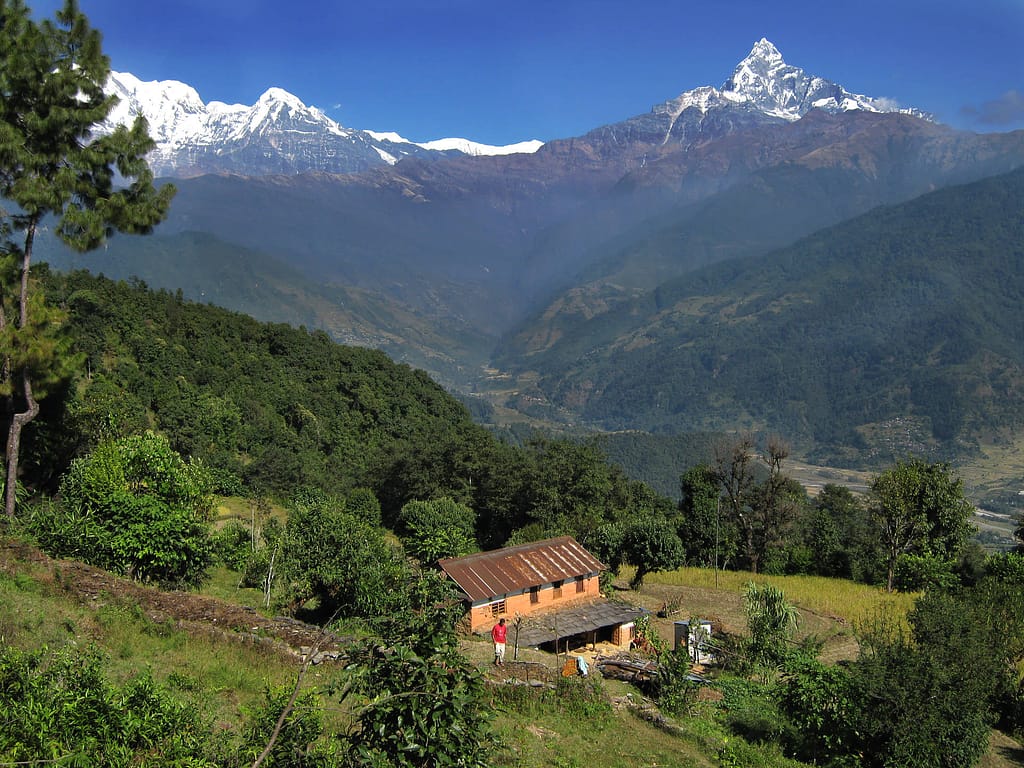
Stretching from the world’s highest peaks to lush subtropical jungle, Nepal packs astonishing diversity into a landlocked country just 800km long by 500km wide.
The birthplace of Buddha, the home of Sagarmatha (Mt Everest), the land where pagoda roofs first took shape, and snow leopards still roam the high ridges while elephants wander the southern plains.
Nepal’s dramatic landscapes and architectural wonders are home to 126 ethnic groups, who together form a Hindu kingdom infused with deep Buddhist traditions. It’s a place of spiritual harmony, where gods, temples, and festivals are joyfully shared.
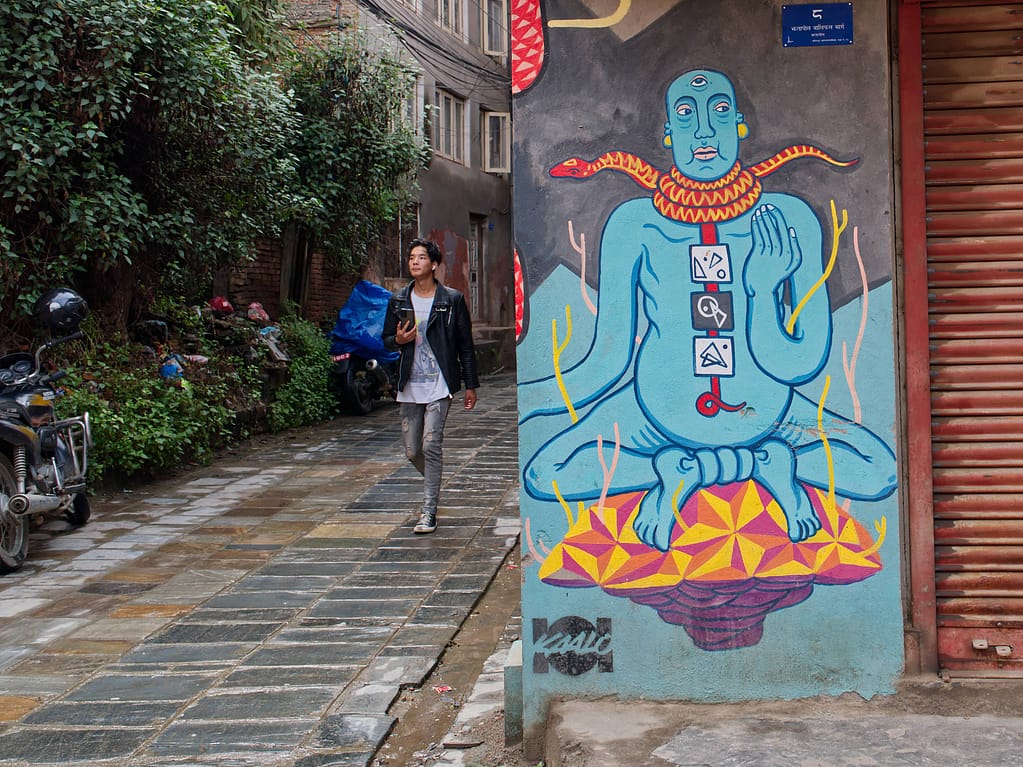
And at its centre, the bustling capital, Kathmandu, has been a crossroads for travellers for over 2,000 years, where myriad cultural influences are still alive today — visible everywhere, from the labyrinth of ancient lanes to the shrines dotted on every street corner.
We’ll take you into the heart of it all — its people, its rhythms, its soul — giving you time to absorb the energy that surrounds you and, perhaps, return home with a renewed appreciation for life.
Nepal at a glance
Capital
Kathmandu
Main Language
Nepalese
Currency
Nepalese Rupee
Area
143,350 Km2
Population
30.56 million
Main Religion
81% Hindu
9% Buddhist
Climate
Sub tropical to alpine
Around every corner you will
find a new adventure
Travel your way
Whichever style you choose, our local guides open doors to Nepal's culture, supporting you while giving you the freedom to explore at your own pace.
personalised journeys
With our help, design your dream Nepal adventure. Your journey, your pace, your passions.
Group journeys
Share an awe-inspiring, deep dive into the fabric of Nepal with a small group of like-minded travellers.
A few highlights
Once a key stop on the India–Tibet trade route, Bhaktapur feels like stepping back in time. Its UNESCO-listed squares are filled with pagodas, palaces, and carved windows, with Nyatapola — Nepal’s tallest temple — towering above it all. The streets still hum with artisans and potters, giving this medieval city a sense of history that’s alive, not frozen.
Bhaktapur
Perched on a hill above Kathmandu, this ancient shrine has watched over the valley since the 5th century. A mix of Buddhist and Hindu devotion, it’s marked by fluttering prayer flags and the stupa’s all-seeing eyes. Climbing the steep steps feels like a small pilgrimage — leaving the city behind and arriving somewhere touched by harmony and good karma.
Swayambhunath
Known as Lalitpur, the “City of Beauty,” Patan dazzles with temples, courtyards, and carvings at every turn. More than 1,200 monuments fill its compact streets, alongside artisans still working in hidden courtyards. Golden stupas, stone statues, paintings and intricate wood carvings make it the valley’s richest showcase of art and tradition.
Patan
The great white stupa is the spiritual heart of Kathmandu’s Tibetan community. Pilgrims circle it at dawn and dusk, spinning prayer wheels and whispering mantras, while neighbours chat over butter tea. The atmosphere is both devotional and everyday — a rhythm of prayer, gossip, and ritual that has endured for centuries.
Boudhanath Stupa
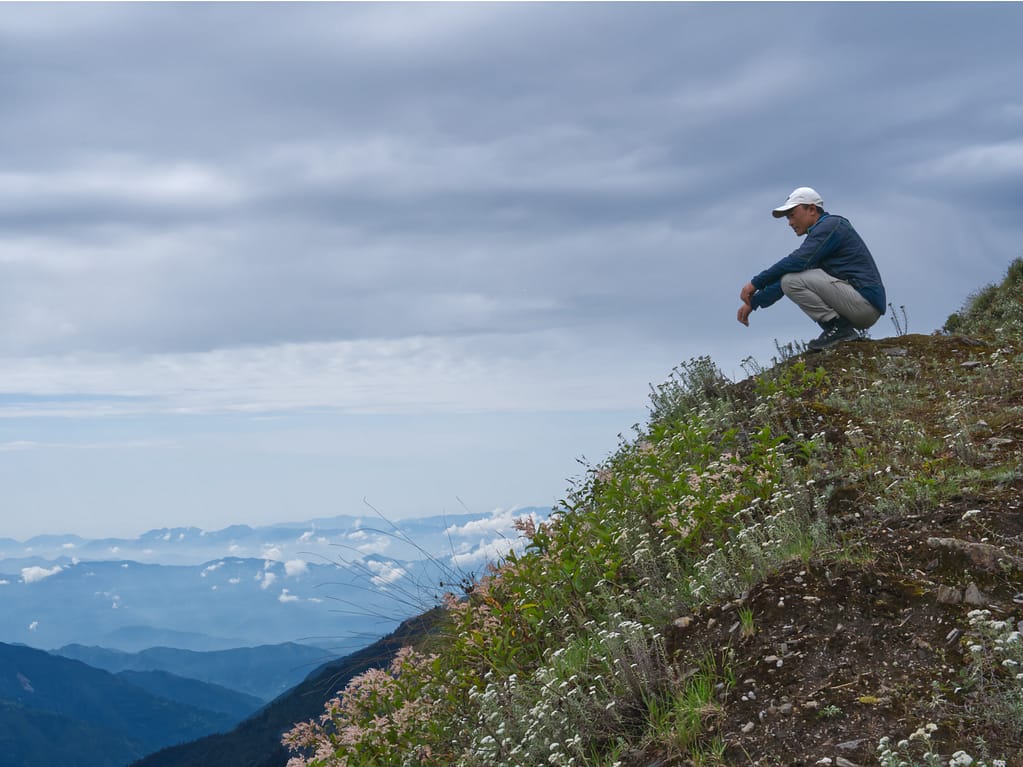
Nepal is an adventure playground. Trek terraced villages to soaring peaks, cycle along forested trails with chai stops, or paddle roaring rivers framed by jungle and mountains. From gentle day trips to multi-day expeditions, every journey offers challenge, beauty, and discovery, bringing you face-to-face with Nepal’s natural beauty and the warmth of its people.
Trekking, Cycling & Rafting
From rhinos, elephants, and tigers roaming the steamy Terai jungle to snow leopards in the rarefied air of the high Himalaya, Nepal is alive with wildlife. Add nearly 900 bird species and thousands of plants, many medicinal, and you have a natural wonderland shaped by its dramatic altitude range. Exploring here offers glimpses of some of the world’s richest biodiversity in action.
Wildlife
When to go
Nepal’s seasons are shifting — monsoon rains come later, winters feel gentler, and spring skies can now carry wildfire haze. Still, Nepal is an all-year-round destination — it’s just about finding the right place for the season.
December – February
Cold but clear. Ideal for trekking below the high passes (we had a group successfully complete Everest Base Camp trek in January), or exploring Kathmandu and Pokhara without the crowds. A wonderful time to explore the wildlife-rich lowlands of Chitwan or Bardia.
March – May
Still one of the loveliest times to wander. Warm, bright, and full of colour. Rhododendrons bloom and festivals fill the streets. Just be aware that wildfires have increased due to the warmer weather patterns which can bring haze into the air.
June– August
First heat then the monsoon arrives with thunder and life — rain-washed forests, emerald rice terraces, and quieter paths. Road travel can be iffy, best to stay within the Kathmandu Valley which is again filled with local festivals or fly north to the incredible rain-shadow areas of Mustang and Dolpo.
September
Traditionally the start of the trekking season, but recent years have brought heavier rains and travel disruptions — fine if you stay in the valley, but still approach mountain travel with caution.
October – November
Usually the clearest skies and finest trekking, though in recent years the monsoon has hung about later (this year I was still in heavy rain and cloud on 8th October). When it clears, the views stretch forever.
Unsure when to come?
Get in touch and we’ll help you choose the best time for your adventure.
Quick facts
Geogrpahy
Wedged between India and Tibet, this little country packs in a broad range of landscapes — from steamy southern jungles teeming with rhinos, elephants, and tigers, to the bountiful terraced middle hills, which are the life blood of the country, then all the way north to the stark beauty and peacefulness of the majestic, oxygen-starved, world’s highest peaks.
Ethnicity
A true crossroads of Asia, with Tibetan-Burmans from the north, Indo-Aryans from the south, and countless indigenous groups in between. With 126 ethnicities and over 120 languages, it’s a patchwork of traditions, where most people speak Nepali as a shared second tongue. Foreigners are often seen as casteless — and sometimes assumed to be fabulously wealthy!
Culture
Beautiful people where life is shaped by tradition, family, and a quiet belief in karma. People may appear reserved, but relationships run deep and loyalty is fierce — many sacrifice personal ambitions for the good of the family unit. Elders are respected, work is taken seriously, and when challenges arise, there’s a stoic acceptance: do your best, then let fate take care of the rest.
Festivals
Festivals here aren’t just religious — everyone joins in. While devotional rituals are observed with quiet respect, the celebrations are anything but quiet: masked dances, 20-metre-high chariots pulled through tiny lanes, tug-of-war contests, blessings from a living goddess, and music, song and food spilling into the streets.
Food
Every meal tells a story. With so many ethnic groups — including influences from Tibet, India, Bhutan, and China — the food is as diverse as the people. Vegetarians do especially well, while meat-eaters can tuck into buffalo, chicken, or goat. Out on the trail, expect simpler fare that fuels you for walking in the mountains.
Art & Crafts
Art isn’t locked away in galleries — it’s part of everyday life. Intricate woodcarvings, stonework, metal craft, and paintings fill temples and homes, while artisans keep centuries-old techniques alive. You can watch them at work, browse for treasures, or simply admire the skill and beauty that surrounds you.
When you're ready, let's plan it together